What to Expect During a Home Inspection in Northern California
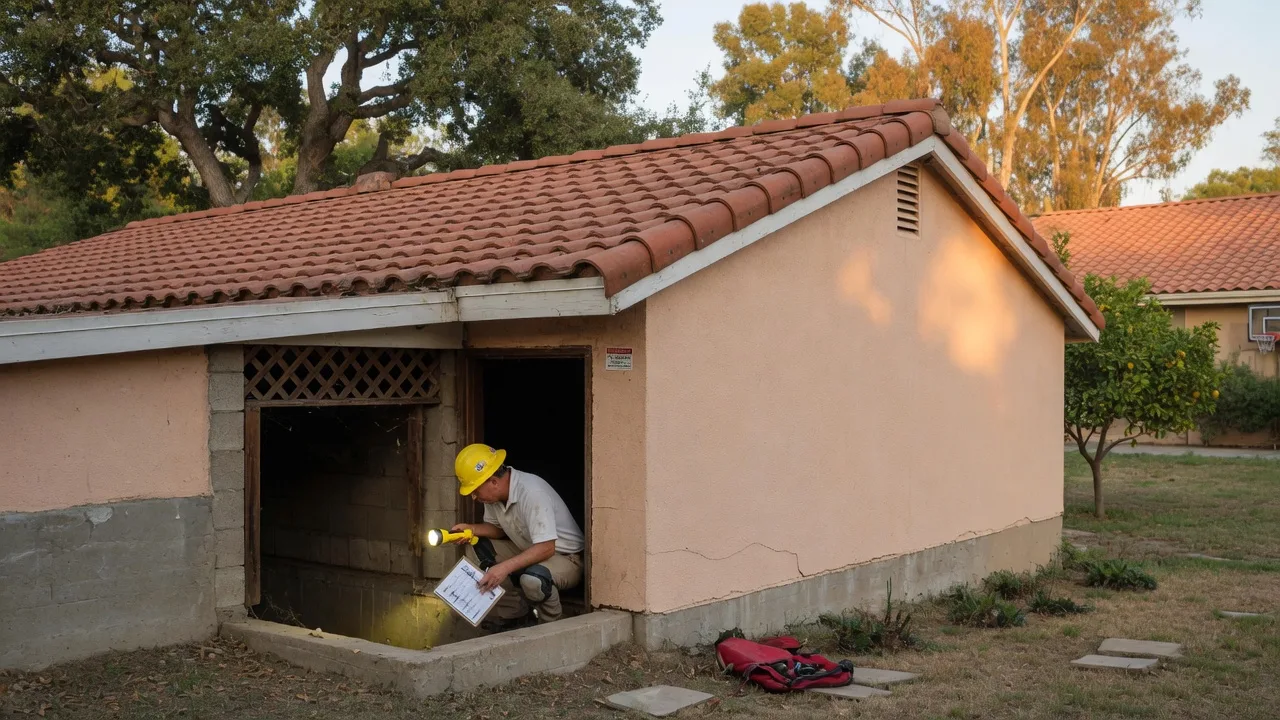

If you're buying a home in Northern California, the home inspection is one of the most important steps in the process. It's your opportunity to understand exactly what you're getting into before you commit. Many first-time buyers, and even experienced ones, feel nervous about the inspection, because they're not sure what to expect or how to interpret the results. Here's a straightforward guide to what happens during a home inspection in the Sacramento Valley and what you should know before the inspector arrives.
What a Standard Home Inspection Covers
A standard home inspection is a visual, non-invasive examination of the home's accessible systems and structure. It typically takes two to three hours, depending on the size and age of the property. A certified inspector will walk through the property from top to bottom and evaluate the following:
- Foundation and structure - The inspector checks for cracks, settlement, uneven floors, and signs of movement in the foundation. In Sacramento and the surrounding areas, expansive clay soils are common, and they can cause foundation issues over time, so this is an especially important check.
- Roof and attic - They assess the roof's age, condition, and visible wear, then check the attic for insulation levels, ventilation, leaks, and pest activity.
- Electrical systems - The panel, wiring, outlets, switches, and smoke and carbon monoxide detectors are all tested for safety and code compliance.
- Plumbing - Visible pipes, water heater, fixtures, water pressure, and drainage are evaluated. Older homes in Northern California may have galvanized or polybutylene pipes that are worth noting.
- Heating and air conditioning - The furnace, air conditioner, ductwork, and thermostat are checked for age, condition, and performance. Given our hot summers in Sacramento, Lincoln, and Yuba City, a working AC system is a big deal.
- Interior and exterior - Windows, doors, siding, drainage, grading, and the condition of driveways, walkways, and decks are all reviewed.
Northern California-Specific Concerns
While every home inspection covers the basics, there are a few things that inspectors in our region pay special attention to:
Foundation movement from clay soils. Many homes in the Sacramento Valley sit on expansive clay soils that expand and contract with moisture. Over time, this can cause foundation settlement, cracks in drywall, and uneven floors. A good inspector will look for signs of past or ongoing movement and may recommend further evaluation from a structural engineer if needed.
Termite and pest activity. Termite (wood-destroying organism, or WDO) inspections are common in Northern California and are often required by lenders. Subterranean termites are present throughout the region, and an untreated infestation can cause significant damage. Many buyers order a separate termite inspection alongside the general home inspection.
Earthquake preparedness. California requires water heaters to be seismically strapped, and inspectors check for this. Older homes may also benefit from a seismic retrofit assessment, especially if they were built before 1980.
Moisture and drainage. With our rainy winters, attic and crawl space moisture is a common finding. Inspectors look for signs of past leaks, inadequate drainage, or poor ventilation that could lead to mold or rot.
Should You Be There During the Inspection?
Yes, I strongly recommend being present for the inspection if you can. It gives you a chance to see the property through the inspector's eyes, ask questions in real time, and learn about the home's systems and maintenance needs. Most inspectors are happy to explain what they're finding and what it means for you as the homeowner. You'll walk away with a much better understanding of the property than you would from the report alone.
What Happens After the Inspection
Once the inspection is complete, the inspector will provide a detailed written report with photos and descriptions of every finding. No home is perfect, and every report will include a list of items, from minor maintenance suggestions to more significant concerns. The key is understanding which items are serious and which are normal wear and tear.
As your agent, I help you review the report and decide what to address. If there are major issues, we may negotiate with the seller for repairs, a credit, or a price adjustment. If the inspection reveals problems that are deal-breakers, we can discuss your options, including walking away during the contingency period.
Common Additional Inspections
Depending on the property, your agent may recommend additional specialized inspections. These can include a sewer scope inspection to check the condition of the main sewer line, a chimney inspection, a pool or spa inspection, or radon testing. In Northern California, termite inspections are especially common and are often a requirement of the purchase contract.
The Bottom Line
A home inspection is not about finding a perfect house, it's about knowing what you're buying so there are no surprises later. Whether you're looking at a newer home in Plumas Lake, a historic property in Sacramento, or a cozy single-story in Yuba City or Wheatland, the inspection gives you the information you need to make a confident decision.
If you're getting ready to buy a home in Northern California, I'm here to guide you through every step, from offer to inspection to closing. Reach out or schedule a free consultation, and let's talk about how I can help you find the right home with confidence.
For more buyer tips, check out my guides on making a competitive offer and why pre-approval matters. You can also explore the communities I serve to find the right place to begin your search.