How to Make a Competitive Offer on a Northern California Home
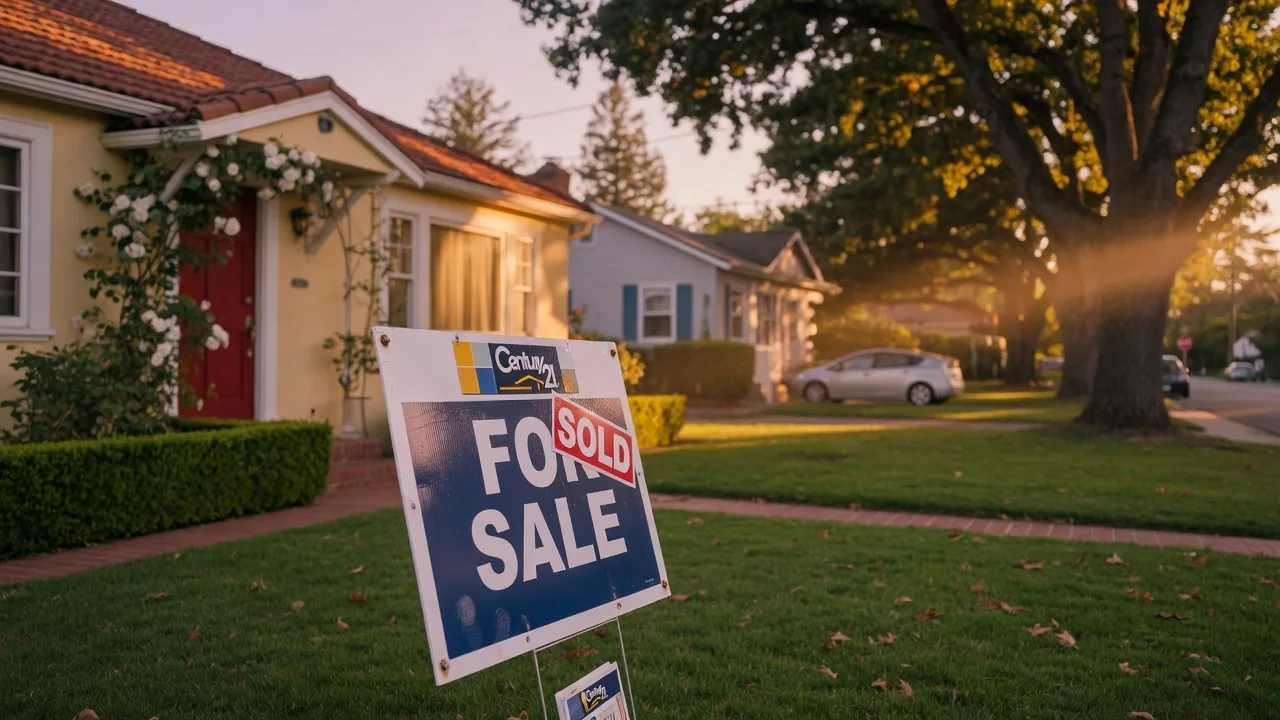

You've found the home you love. The floor plan works, the neighborhood feels right, and you can picture your life there. Now comes the part that makes a lot of buyers nervous: making an offer, especially when you know other buyers might be doing the same thing.
In many Northern California communities, including Sacramento, Lincoln, Yuba City, Plumas Lake, and Wheatland, multiple offer situations are common. Homes that are well-priced and in desirable neighborhoods often attract several interested buyers. But here's the good news: with the right preparation and strategy, you can put yourself in the strongest possible position.
Start With a Pre-Approval, Not Just a Pre-Qualification
There's a difference between being pre-qualified and being pre-approved. Pre-qualification is a quick estimate of what you might be able to borrow. Pre-approval means a lender has reviewed your finances, income, credit, assets, debts, and committed to lending you a specific amount.
In a competitive market, a pre-approval letter is table stakes. Sellers and their agents want to know that your financing is solid and that the deal won't fall apart because of lending issues. If you haven't been pre-approved yet, make that your first step. If you need a recommendation, I work with several trusted local lenders who understand the Northern California market.
Understand What Sellers Actually Care About
When a seller receives multiple offers, they're not just looking at the highest number. They're evaluating the entire package. Here's what matters most:
- Price, Yes, this matters, but it's not everything. An offer that's $10,000 higher but full of contingencies may be less appealing than a clean, well-structured offer at a slightly lower price.
- Financing strength, A conventional or cash offer will often be preferred over FHA or VA, not because those loan types are inferior, but because sellers perceive conventional and cash deals as lower risk. That said, a strong FHA or VA offer with a good lender can absolutely win.
- Contingencies, Every contingency is a potential exit for the buyer, which means risk for the seller. Buyers who can reasonably shorten contingency periods, without giving up essential protections, often stand out.
- Earnest money deposit, A larger earnest money deposit (typically 1% to 3% of the purchase price in California) signals commitment and financial strength. It shows the seller you're serious and have the funds to follow through.
- Closing timeline, Flexibility on the closing date can be a powerful negotiating tool. If the seller needs 45 days to find their next home, offering to accommodate that timeline can set you apart.
How Escalation Clauses Work
An escalation clause is a provision in your offer that automatically increases your bid above competing offers, up to a maximum price you set. For example, you might offer $450,000 with an escalation clause that increases your offer by $5,000 above any competing bid, up to a maximum of $475,000.
Escalation clauses can be effective in genuine multiple-offer situations, but they need to be used carefully. Here's what to keep in mind:
- Only use an escalation clause when you know there's real competition. Using one on a home that hasn't attracted other offers can signal desperation and may not serve you well.
- Always include a requirement that the seller provide proof of the competing offer before the escalation kicks in.
- Keep your financing contingencies intact, even with an escalation clause. The escalation may push the price above the appraised value, and you don't want to be on the hook for the difference without understanding the risk.
Appraisal Gap Coverage: What It Is and When to Use It
When you buy a home with a mortgage, the lender will order an appraisal to confirm the home's value. If the appraisal comes in lower than your offer price, the lender may not finance the full amount you've agreed to pay. This is where appraisal gap coverage comes in.
By including appraisal gap coverage in your offer, you're agreeing to cover some or all of the difference between the appraised value and your offer price, up to a specified limit. This tells the seller that even if the appraisal falls short, the deal is unlikely to fall apart over financing.
This is a meaningful risk to take on, so it's important to discuss it with your agent and your lender before committing. In some cases, it makes strategic sense. In others, the risk outweighs the benefit. Having someone in your corner who can walk you through the trade-offs is invaluable.
Don't Skip the Inspection
In hot markets, some buyers waive the inspection contingency to make their offer more attractive. I understand the temptation, but I rarely recommend it. A home inspection typically costs a few hundred dollars and can reveal issues, foundation problems, outdated electrical, roof damage, that could cost you tens of thousands of dollars down the line.
What I do recommend is shortening the inspection window. Instead of the standard 17 days, consider 10 to 12 days if you have a trusted inspector who can move quickly. This gives the seller more confidence that the inspection won't delay the transaction while still protecting you.
Trust the Process and Your Team
Making an offer on a home, especially your first, or especially when you're emotionally invested, can feel stressful. That's normal. The key is having a clear strategy, a team you trust, and an agent who will give you honest advice even when it's not what you want to hear.
I've guided buyers through competitive situations across Sacramento, Lincoln, Yuba City, Plumas Lake, and Wheatland, and I know how to position your offer for the best chance of success while protecting your interests.
Ready to Make Your Move?
If you're ready to start looking at homes, or if you've already found "the one" and need help crafting your offer, I'm here to help. Schedule a free consultation and let's talk through your situation and strategy. You can also explore my buyer resources or learn more about how I work with clients.