Buying Land and Building a Custom Home in Northern California: A Step-by-Step Guide
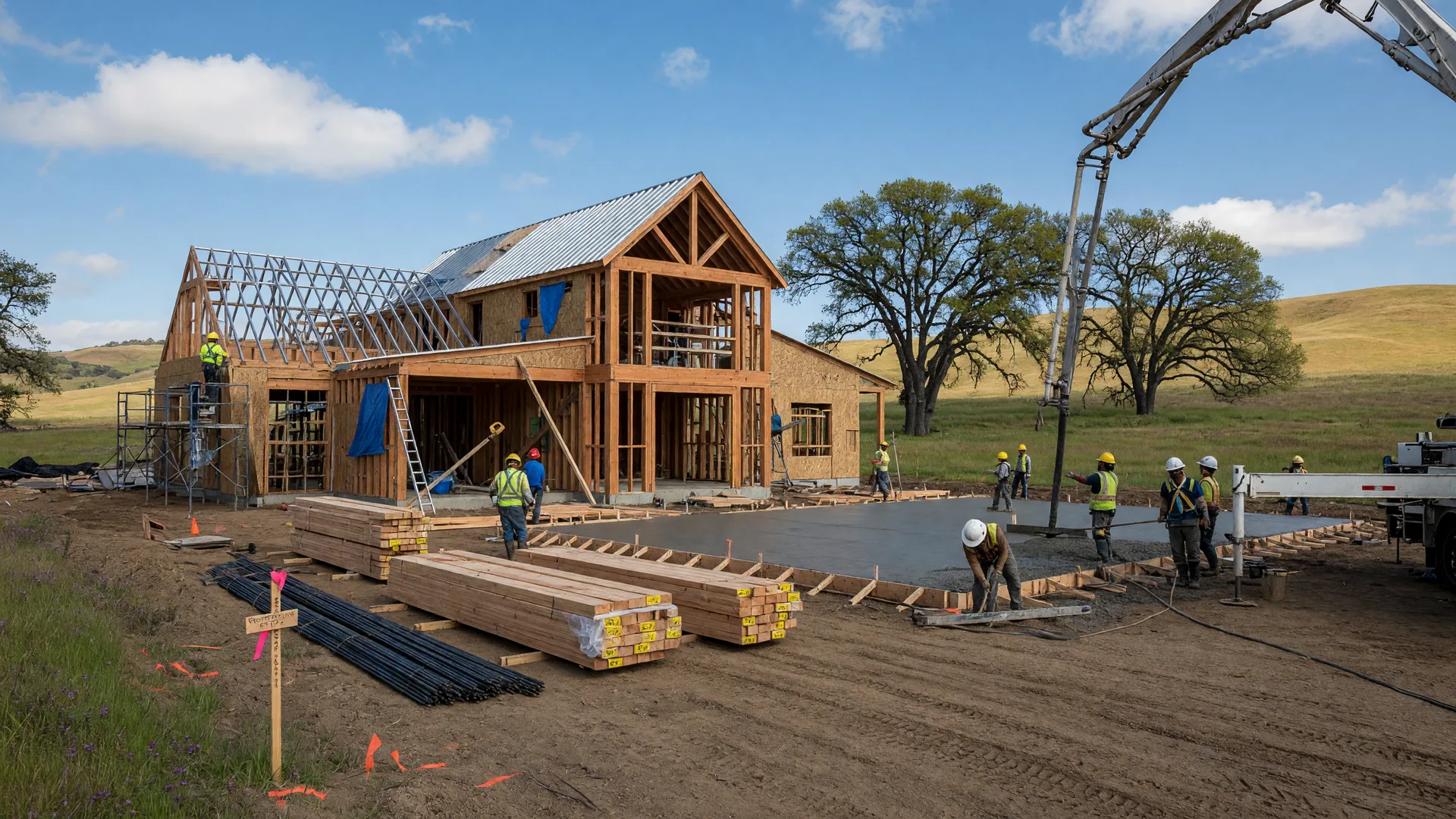

Not every home buyer is looking for a house that already exists. Some of my clients dream of finding the perfect piece of land and building a home that is uniquely theirs. In Northern California, especially in and around Sacramento, Yuba City, Lincoln, Plumas Lake, and Wheatland, there are real opportunities to buy land and build a custom home. But the process is different from buying an existing home, and knowing what to expect is the key to a successful project.
If you are considering building your own home, here is an honest step-by-step overview of what the journey looks like.
Step One: Finding the Right Lot
The most important rule of building a custom home is that you cannot build anything until you have the right piece of land. And not every lot for sale is buildable. You need to research zoning, utility access, soil conditions, flood zone designations, and environmental restrictions before you commit. In Sacramento County, Placer County, Sutter County, and Yuba County, each jurisdiction has its own building codes, setback requirements, and permitting processes.
For example, a vacant lot in Lincoln's master-planned communities may already have utility hookups and an approved lot plan, which simplifies the process significantly. A rural parcel near Wheatland or Plumas Lake, on the other hand, may require a well and septic system, a percolation test, and a longer permitting timeline. Land prices in the region vary widely, from around $50,000 for a smaller infill lot to $200,000 or more for acreage with views and privacy.
I always recommend working with a local agent who understands land transactions, because the due diligence is deeper than when buying an existing home. You need to verify that what you envision is actually possible on the lot you are considering.
Step Two: Assemble Your Team
Building a custom home is a team effort. You will need an architect or residential designer to create the plans, a builder or general contractor to manage construction, a lender who specializes in construction loans, and sometimes a civil engineer for site planning. In the Sacramento Valley, there are experienced professionals who know the local building climate, including energy efficiency requirements, Title 24 compliance, and the specific needs of homes in this region.
Your team matters. I have seen projects go smoothly because the builder and architect had worked together before, and I have seen others stall because the parties did not coordinate early enough. Take your time finding professionals whose work you trust and whose communication style matches yours.
Step Three: Financing the Project
Financing a custom home build is more complex than financing an existing home. Most lenders require a two-phase approach: first, a land loan to purchase the lot (typically requiring 20 to 30 percent down), followed by a construction loan that pays for materials and labor in stages as the work progresses. During construction, you generally pay interest only on the amount drawn, and when the home is completed, the loan converts to a traditional mortgage.
Construction costs in Northern California range from about $250 to $400 per square foot for a standard to mid-range custom build, with higher-end or architecturally complex homes running $420 per square foot and above. This means a 2,000-square-foot custom home could cost between $500,000 and $800,000 just for construction, not including the land. Your lender will want to see a detailed budget and a realistic timeline before approving the loan.
Step Four: Permits and Site Preparation
Before construction can begin, you need building permits from the county or city. In Placer County, where Lincoln is located, the permitting process typically takes several months. In Sutter and Yuba Counties, the timeline depends on the complexity of the project and whether the site needs grading, utility extensions, or environmental review.
Site preparation includes grading the lot, installing the foundation, bringing in utility connections (water, power, sewer or septic, gas), and sometimes building access roads. This phase can take two to four months depending on the condition of the land. I have had clients who fell in love with a lot only to discover that bringing utilities to the building site cost tens of thousands of extra dollars, so this is something to investigate before you buy.
Step Five: Construction and Completion
Actual construction typically takes six to twelve months for a single-family custom home, depending on size, complexity, and weather. The Sacramento Valley's mild climate means that construction can generally continue year-round, which helps keep projects on schedule. Throughout the build, your general contractor will manage inspections at each phase to make sure everything meets code.
The total timeline from lot purchase to move-in is usually 12 to 24 months. That might sound long, but for clients who have dreamed of a home tailored to their specific needs, the wait is worth it. Empty nesters often appreciate being able to design a single-story floor plan with wider doorways, an open layout, and the exact finishes they want. Growing families can choose school districts, lot sizes, and layouts that work for their lifestyle.
Is Building Right for You?
Building a custom home requires patience, planning, and a willingness to make many decisions. But for the right person, it is an incredibly rewarding process. You end up with a home that fits your life perfectly, in a community you have chosen intentionally. And in Northern California, with its variety of landscapes, from the riverfront lots of Plumas Lake to the foothill parcels near Lincoln to the open farmland around Wheatland, there are so many options to explore.
If you are considering buying land and building a custom home, I would love to help you start the process. Schedule a free consultation and we can talk about the lots and communities that might be a fit for your vision. You can also learn more about new construction homes and check out my community guides for a closer look at each area.