Aging in Place vs. Moving: How to Know What's Right for You
AARP research finds that roughly 3 out of 4 adults over 50 want to stay in their current homes as they age, and I hear that same wish from clients across Northern California every week. Wanting to stay and being able to stay comfortably are not always the same thing, though. The home that worked beautifully for raising a family can quietly become harder to manage as the years pass. This guide is an honest look at aging in place versus moving, so you can decide with your head and your heart both fully informed.
What Aging in Place Really Means
Aging in place simply means staying in your home and community for the long term. For many people, it is the right and wonderful choice. Familiarity is a powerful comfort. The neighbors you know, the store where everyone recognizes you, the garden you planted, the memories in every room. None of that should be dismissed lightly.
But staying usually requires honesty about the home itself. Does it have stairs you climb daily? A shower you step into carefully? A yard that demands more hours than you want to give? Sometimes a few smart changes, a grab bar here, a no-step entry there, are enough. Other times, a two-story house on a big lot becomes a daily tax on your energy, no matter how much you love it.
When Staying Makes Sense
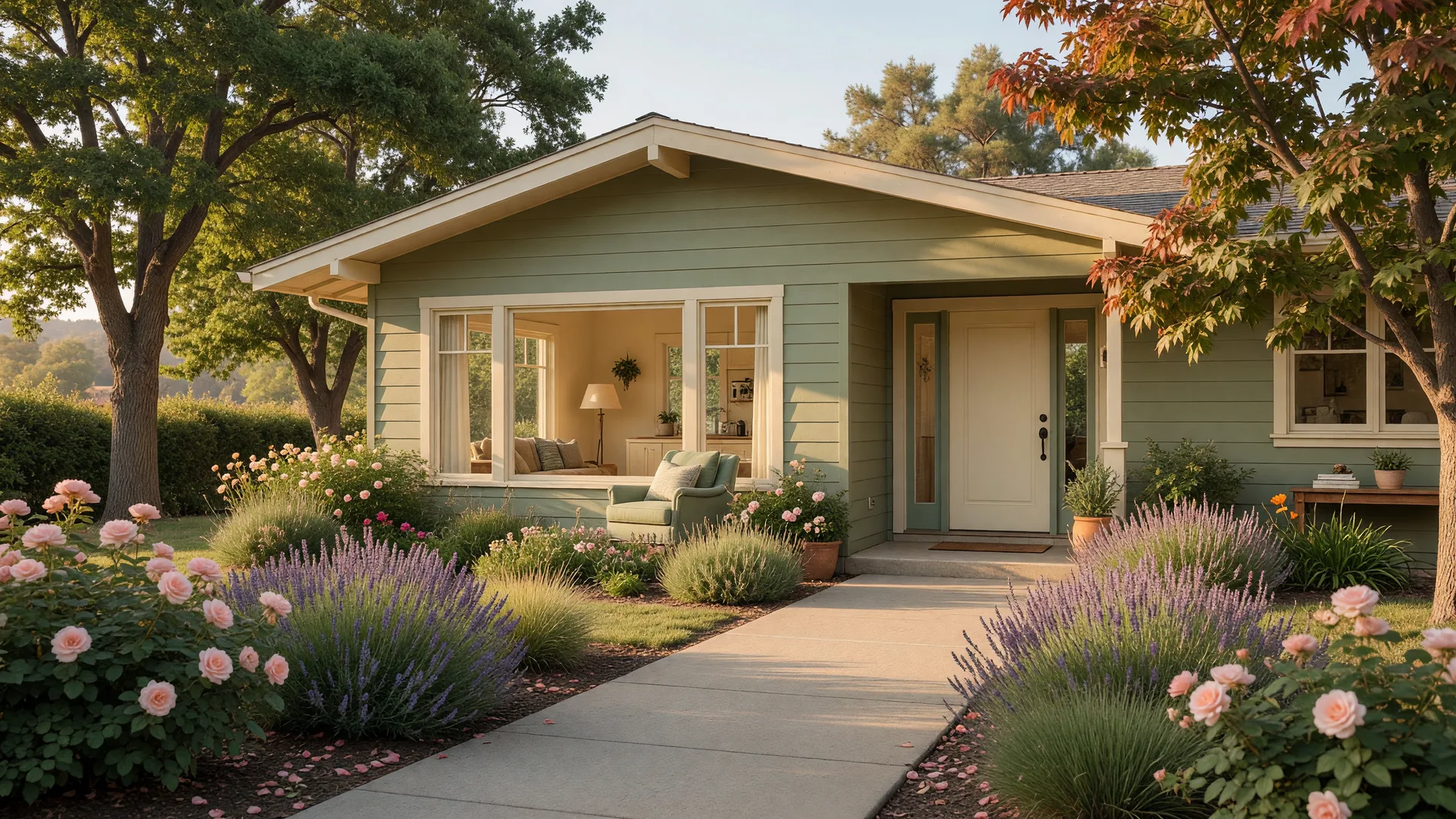
Staying often works best when the home already fits: single-level living, manageable maintenance, and proximity to family, healthcare, and community. Northern California offers many homes that genuinely support this. Sacramento has established neighborhoods with shopping and medical care nearby, while single-story homes in Plumas Lake and Lincoln offer easy layouts in newer communities. If the house fits your life and you have the support you need, the case for staying is strong.
When Moving Might Serve You Better
Moving deserves real consideration when the house is working against you, or when the life around it has changed. Maybe the children are gone, the stairs feel steeper, and the maintenance never stops. Maybe family has moved across the state and you want to be closer. Or maybe you simply want less to manage and more time for travel, grandchildren, and the things you actually enjoy.
Moving does not have to mean downsizing into something smaller for its own sake, either. It can mean rightsizing into a home that fits your current life better: a single-story home with a garden in Lincoln or Plumas Lake, a 55+ community with neighbors in the same season of life, or a slower-paced setting in Yuba City or Wheatland. Many of my clients find that a well-chosen move gives them back more freedom than it costs in familiarity. Our rightsizing guide explores that difference in depth.
How to Start the Conversation
Begin with family and your doctor, then look at the practical side: your health, your finances, and your support network. It also helps to arm yourself with facts rather than feelings alone. Knowing what your current home is worth gives you a real picture of your options, whether that means staying and making improvements or moving to a community that better fits your next chapter. If you are curious about 55+ options, our guide to active adult communities is a good place to start.
This is an emotional decision, and you deserve a guide who understands that. Schedule a free consultation and we can talk through both paths honestly: what staying would require, what moving could offer, and what feels right for the life you want next. No pressure, ever. Just a calm conversation with your best interests at heart.